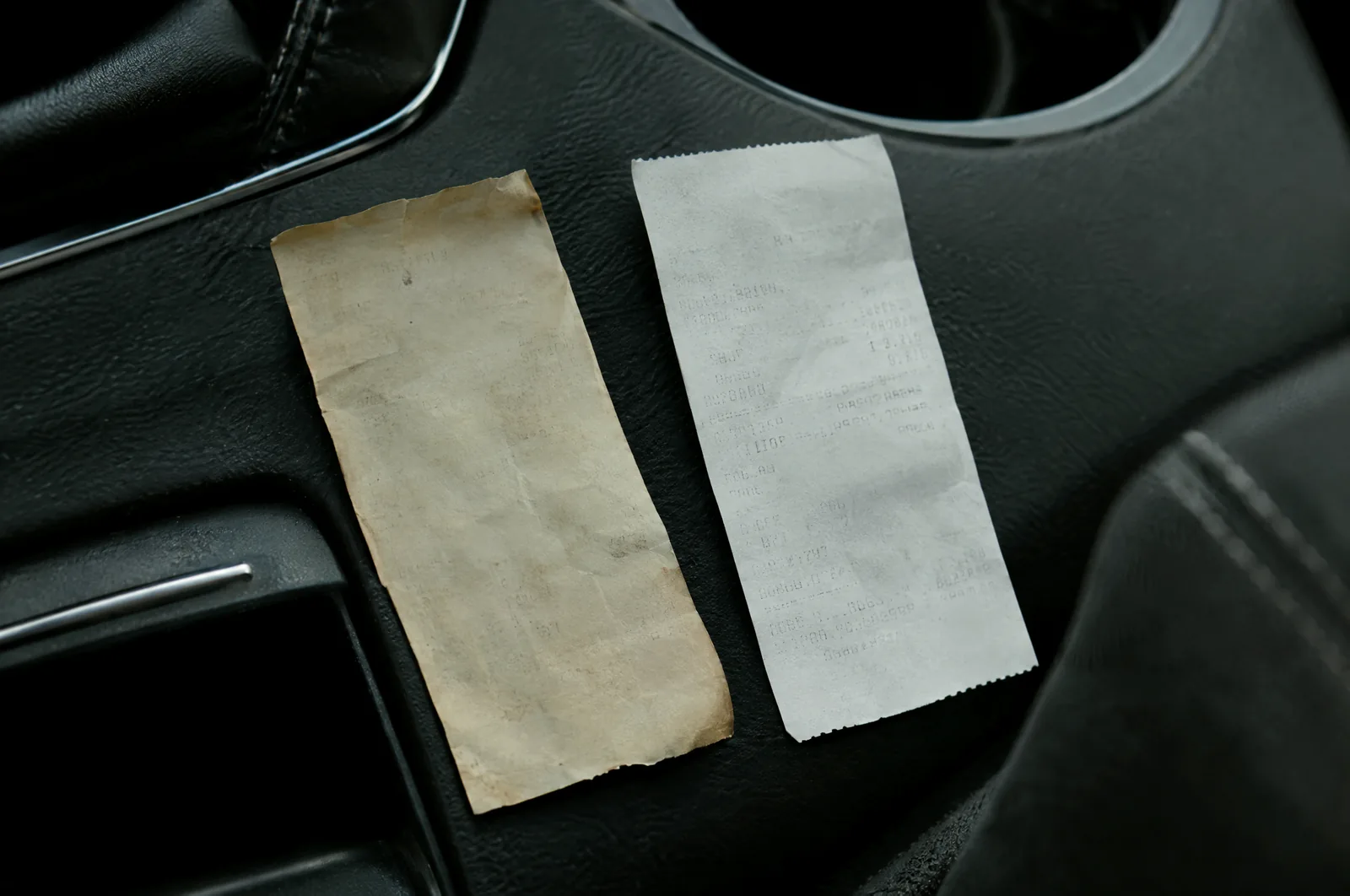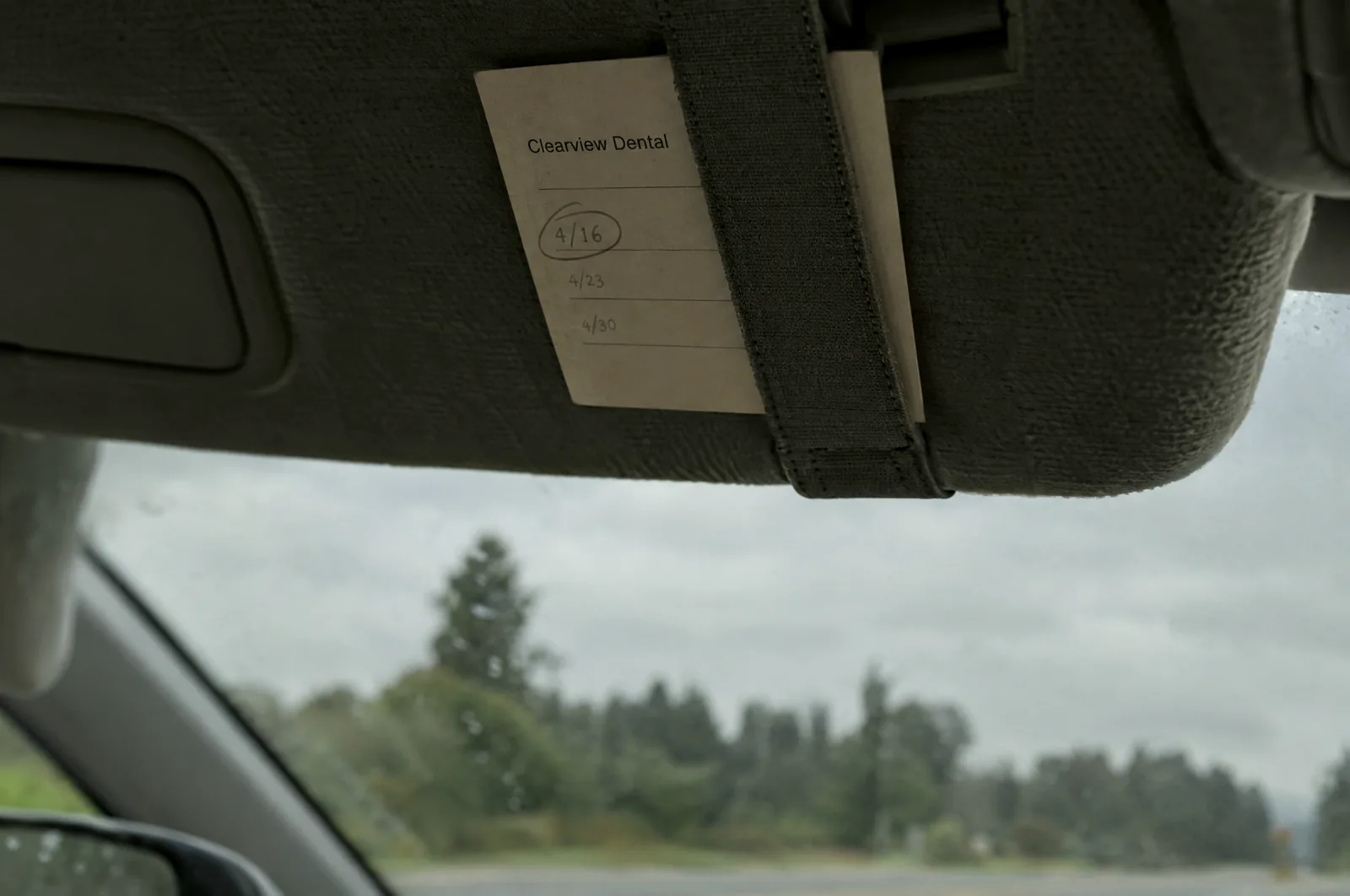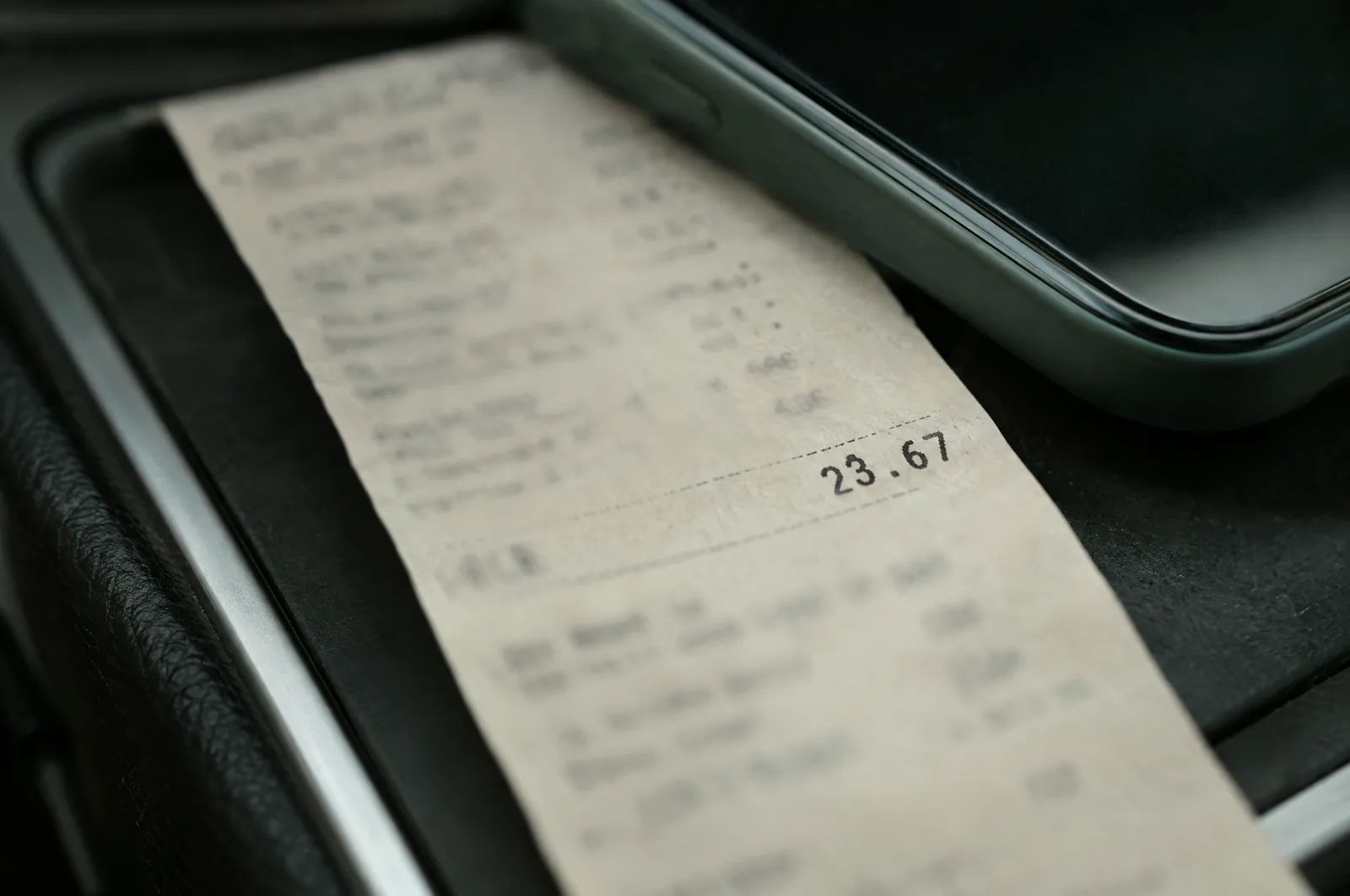
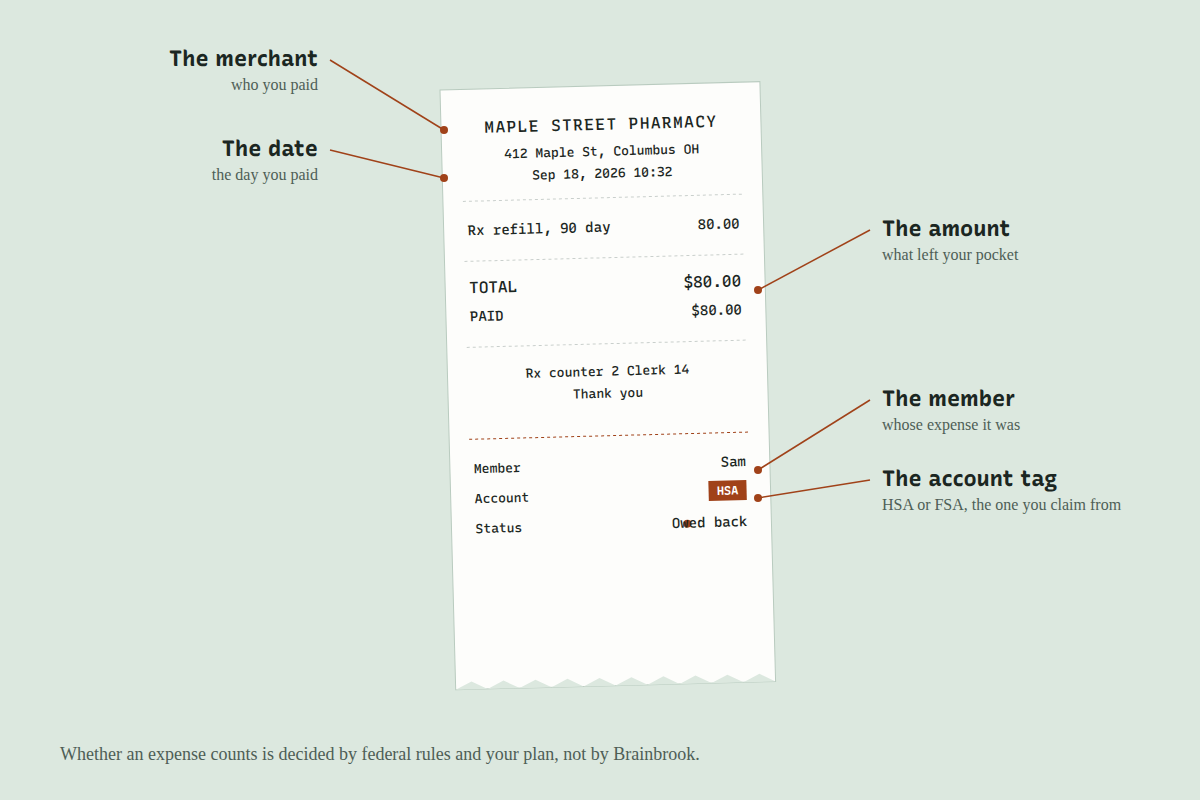
The request itself is usually short. A form on your plan's portal, or a page on your HSA custodian's site, or a printed form and an envelope, asking for the same handful of facts every time. People get stuck not on the form but on the proof, because the proof is the receipt, and the receipt is in the car.
The six things
Across plans the list is remarkably stable. A request generally needs:
- The date of service, when the thing happened, not when the bill arrived.
- The provider: the pharmacy, the practice or the store.
- What it was, described well enough to be recognizable: a prescription, a cleaning, frames and lenses, an urgent care visit.
- The amount you paid.
- Who it was for, which matters in a household where four people share two accounts.
- Proof that you paid it, which the receipt itself usually is.
Plans phrase these differently and some ask for less, so read your own plan's list. But those six cover nearly every version of the request you will ever meet.
Number five trips up more households than you would expect. A receipt for a child's prescription usually names the child; a receipt for a box of contact lenses often names nobody. When it names nobody, the note field is where you say.
Why a card statement usually fails
The first thing most people reach for when a receipt is missing is the card statement, and it usually does not do the job. A statement line gives a merchant, a date and an amount. It does not say what was bought, and it does not say who it was for. "Maple Street Pharmacy, $80.00" could be a prescription or a bag of cough drops and a birthday card. The plan cannot tell, so the plan cannot say yes.
A card statement proves you paid somebody. It does not prove what for.
A card statement proves you paid somebody. It does not prove what for.
The explanation of benefits, and when you need it
For anything that went through insurance first, the receipt from the front desk may not be enough on its own, because the amount you paid at the counter and the amount you actually owed can differ once the claim settles. The explanation of benefits, the statement your insurer sends after processing a visit, shows the service, the date, what insurance paid and what was left to you. For a doctor visit, physical therapy or lab work, plans often want that document alongside the receipt or instead of it. It usually arrives days or weeks after the visit, which is the second reason receipts go missing: by the time the paperwork is complete, the receipt is three bags ago.
For a pharmacy purchase or a pair of glasses paid in full at pickup, the itemized receipt is usually the whole story.
Pharmacy receipts are the easy ones
Prescription receipts are the model citizens of this category. They carry the date, the pharmacy, the patient's name, the medication and the amount. Six for six, on one small slip. The only thing wrong with them is that they are the slips most likely to be crumpled at the bottom of a paper bag.
Photograph them before the bag gets folded. There is an article on that habit too: Ten seconds in the parking lot.
What a kept receipt looks like
Every receipt in Brainbrook becomes a record that answers the six questions in one place, with the photograph underneath. In the sample ledger a pair of glasses from Northgate Optical reads like this. $189.00, Aug 14, 2026. Member, the child who wears them. Account, FSA. Category, Vision. Status, Owed back. A note in the household's own words: frames and lenses, paid at pickup. Added Aug 14, 2026 from a photo. Under all of that, the plan date on the account, 188 days away, and one button that downloads the whole record as a PDF.
The record also carries a line you will see wherever a tag is chosen: whether an expense counts is decided by federal rules and your plan, not by Brainbrook. The tag says which account you mean to claim from. The plan decides the rest, which is exactly how it should be.
The order of operations
Photograph the receipt the day you pay, and tag it. If the visit went through insurance, keep the explanation of benefits when it arrives; the note field on the record is a good place to say where you filed it. When the request is due, open the record, download it, and send it with the form. Minutes, start to finish.